
Why is Spanish One of the Best Languages for Christian Home Educated Teens to Learn?

When planning our children’s education, it’s easy to focus on maths, English and science while seeing modern languages as something optional. Yet learning another language offers far more than an extra GCSE exam score or credits on a US transcript, or even an impressive line on a CV.
For Christian home educating families, learning Spanish can open doors to ministry, travel, cultural understanding and friendships that might otherwise never happen.
In a recent conversation with experienced language teacher Kate Andreyev, who has taught Spanish from beginner level through to A-Level, one message came through clearly: Spanish is an accessible language that equips young people for opportunities both now and in the future.
Why Choose Spanish for Home Educated Teens?
Spanish is one of the most widely spoken languages in the world, with hundreds of millions of native speakers across Europe, Central America and South America.
For Christian families, this creates exciting possibilities. Whether serving on a short-term mission trip, volunteering overseas, travelling as a family or simply building friendships with Spanish speakers in the UK, even conversational Spanish can make a real difference. As Kate explains:
“Spanish is such a global language. There are opportunities through travel, holidays, working abroad, studying and mission work. You don’t necessarily have to become fluent, but even conversational Spanish can be incredibly useful.”
Unlike some languages, Spanish is also particularly approachable for English speakers.
Its pronunciation is largely phonetic, meaning words are generally spoken as they’re written. Once students learn a few pronunciation rules, they quickly gain confidence reading aloud and speaking.
Language learning teaches humility.
One of the most valuable lessons children gain from learning another language isn’t simply vocabulary – it’s empathy. Many of us interact daily with people speaking English as an additional language. Until we’ve tried learning another language ourselves, it’s easy to underestimate how much courage and effort that requires. Kate shared how Spanish speakers are often delighted when visitors make the effort to speak their language, even imperfectly.
“Be willing to try it out and to get it wrong. That’s just part of learning. Spanish people are often overjoyed that you’re trying. They don’t laugh at you—they’re patient and encouraging.”
That willingness to make mistakes develops perseverance, humility and confidence. These character qualities that benefit young people in every area of life.
A Wonderful Fit for Christian Families
For many Christian home educators, learning isn’t simply about passing exams. It’s about preparing our children to serve God wherever He calls them. Spanish has particular value here. Large parts of the Spanish-speaking world have vibrant churches, active mission fields and countless opportunities for Christian service.
Whether through mission trips to Spain or The Americas, supporting overseas ministries or simply building friendships across cultures, Spanish creates opportunities to share Christ’s love more naturally.
Learning another language also reminds us that God’s family extends far beyond our own nation. As Revelation describes people from “every tribe and language and people and nation” worshipping together, language learning can become a small but meaningful way of helping our children appreciate the global Church.
It’s never too late to start.
One encouraging part of Kate’s story is that language learning doesn’t have to follow a perfectly planned path. Her own daughter decided to complete IGCSE Spanish in just four months before progressing to A-Level. While Kate admits she wouldn’t necessarily recommend such an intensive route, it illustrates an important truth for home educators: children often discover new interests during their teenage years and often what to pursue them earnestly.
Home education allows families to respond to those changing interests far more flexibly than many traditional schools. If your teenager suddenly develops a passion for languages, there is every reason to encourage that enthusiasm.
Learning language means learning culture.
Good language teaching isn’t just about memorising verbs. Spanish opens a window into different cultures, traditions, history, literature and everyday life. Students begin learning practical skills such as:
- Greetings
- Numbers
- Dates and times
- Family vocabulary
- Food and shopping
- Everyday conversations
Alongside this comes a growing appreciation of Hispanic culture and the people who speak the language. For Christian families seeking to raise children who love their neighbours and appreciate different cultures, this broader perspective is invaluable.
Why do live lessons make such a difference?
One challenge with self-study language programmes is pronunciation. Reading vocabulary lists can only take students so far. Speaking with an experienced teacher allows learners to hear authentic pronunciation, ask questions immediately and receive gentle correction in a supportive environment.
Kate’s approach combines regular live lessons with practical homework, helping students build confidence through frequent practice rather than occasional cramming. That consistency is one of the biggest predictors of success in language learning.

Frequently Asked Questions
No. Spanish is generally considered one of the easiest modern languages for English speakers because pronunciation follows predictable rules and many words share similar roots with English.
Children can begin at almost any age. Teenagers often progress surprisingly quickly because they already understand grammar and study skills.
Not at all. Even conversational Spanish provides valuable communication skills, develops confidence and opens future opportunities for travel, work and ministry.
Spanish is spoken across many countries with active Christian communities and mission opportunities. Learning the language can help young people serve, travel and build meaningful cross-cultural relationships.
Why Spanish for Home Educated Teens Matters
Spanish for home educated teens offers much more than another academic subject. It develops confidence, perseverance, cultural understanding and communication skills while opening doors to travel, ministry and lifelong friendships. For Christian home educating families seeking to prepare young people for whatever God may have planned, Spanish is an investment that reaches far beyond the classroom.
Sometimes the first step is simply saying hola.
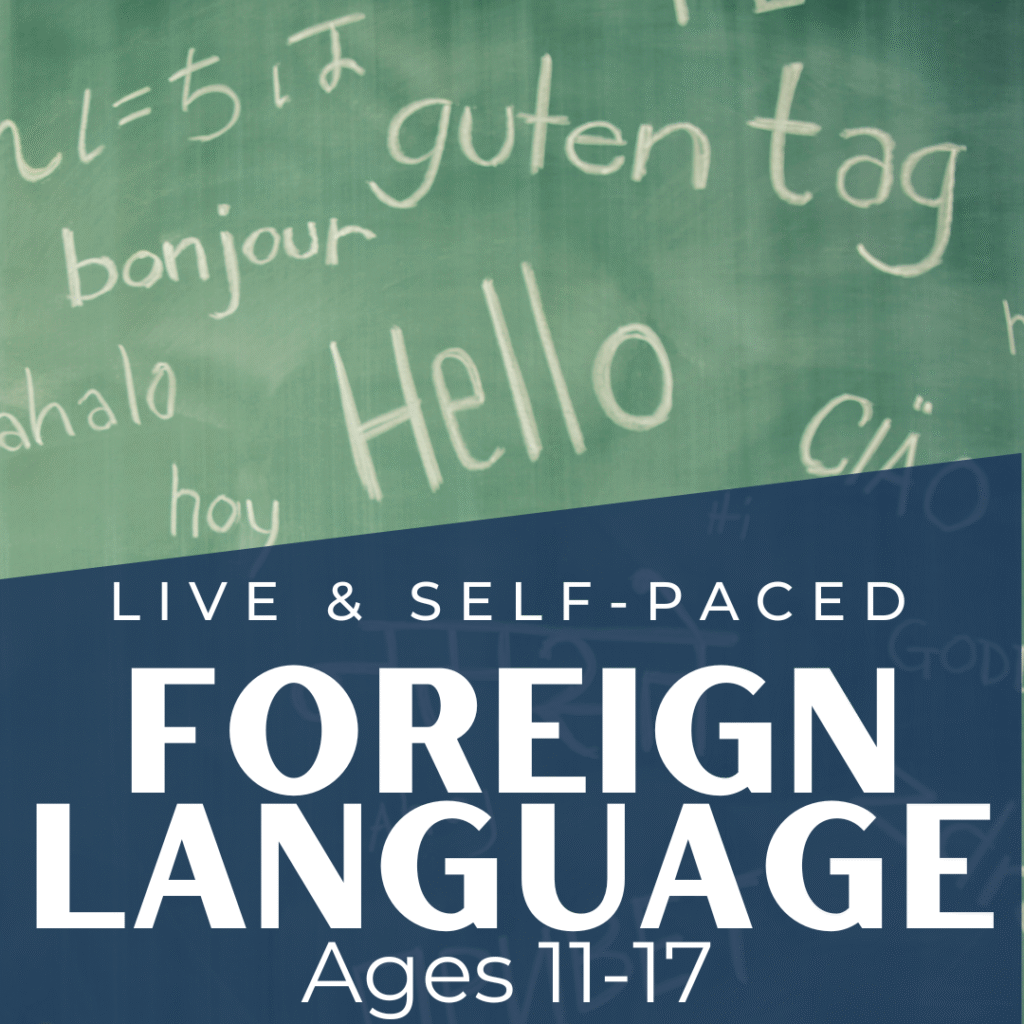
Foreign Language
Arise Home Education Foreign Language for ages 11-17.
Are Arise Live Classes A Good Fit For Your Teen?
Grab a live lesson bundle and learn about the course, the tutor, and the weekly homework load.
















1 thought on “Spanish for Home Educated Teens”
Comments are closed.