Planning for Christian Home Ed. Families in the Primary Years
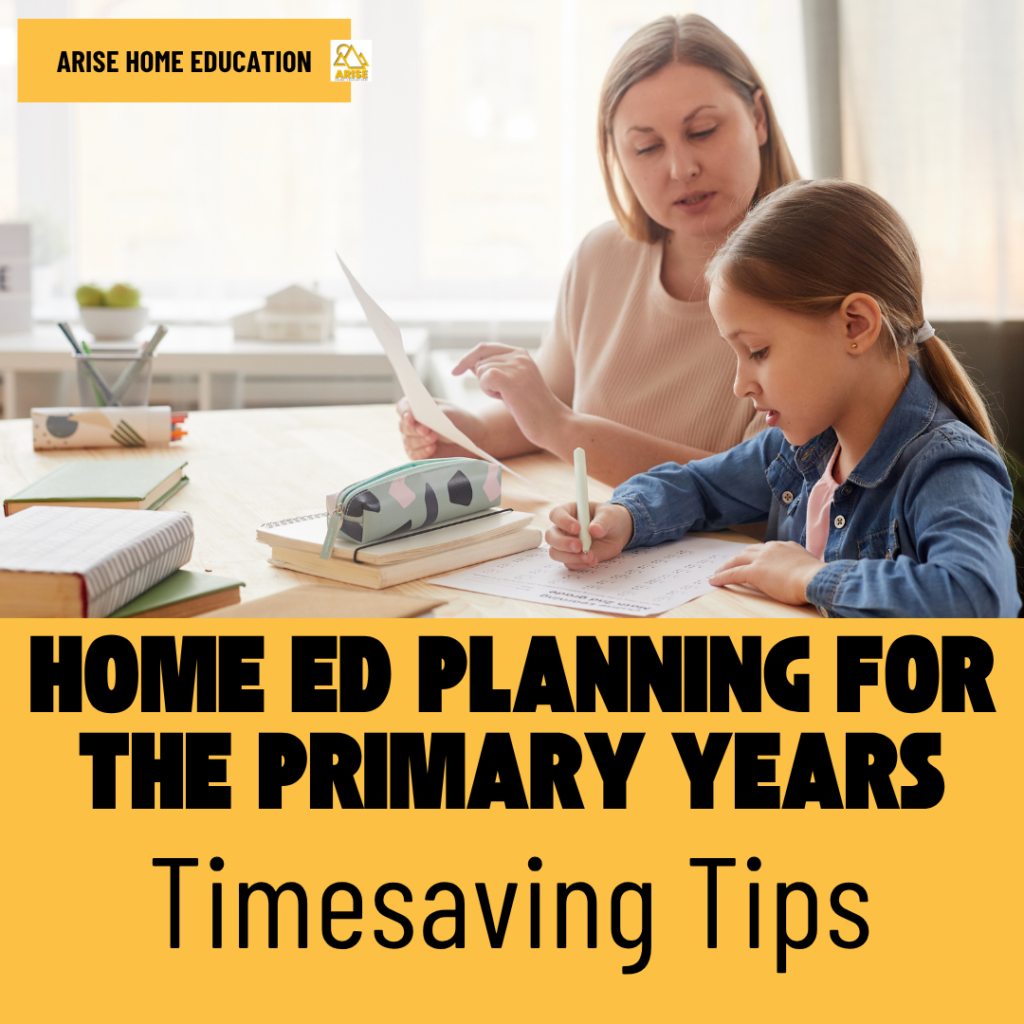
When people imagine home education, they often picture complete freedom, like learning in pyjamas, spontaneous trips to the woods, and lessons that happen naturally throughout the day. While there is certainly truth in that, experienced home educating families know that freedom flourishes best within a simple framework. Home ed. planning is the primary years will reap benefits for years to come.
For many Christian home educators in the UK and elsewhere, especially during the primary years, one surprisingly powerful tool is the humble paper planner. Rather than restricting your family, a paper planner provides the gentle structure that allows learning to happen consistently, even when life feels unpredictable.
Why Home Ed. Planning in the Primary Years Matters
One of the greatest misconceptions about home education is that every day has to look the same. In reality, family life includes illnesses, appointments, co-ops, church activities, grandparents visiting, unexpected errands and days when everyone simply needs a slower pace.
A simple paper planning system gives your family an anchor. Instead of wondering what should happen each morning, you already have a clear direction. That means less decision fatigue, less stress, and more time enjoying learning together.
As Proverbs 16:3 reminds us:
“Commit to the Lord whatever you do, and He will establish your plans.”
Planning isn’t about controlling every moment. It’s far more about stewarding our time wisely while remaining flexible enough to follow God’s leading and navigate our days more grace-filled no matter what happens unexpectedly.
Why Paper Planners Still Work
In a digital world filled with apps and notifications, there is something wonderfully calming about putting pen to paper.
Many home educating parents find that paper planners help them:
- see the whole week at a glance
- reduce screen time
- quickly adapt plans when life changes
- keep lessons focused
- involve children in planning their own learning
For younger children especially, physically ticking off completed tasks provides a real sense of achievement. A planner becomes a visual reminder that progress is being made, even when learning doesn’t feel particularly exciting.
Build Routines Instead of Rigid Timetables
One of the biggest mindset shifts in home education is replacing strict school timetables with predictable routines. Children thrive when they know what comes next. Your routine might include:
- Morning Bible reading and prayer
- Breakfast together
- Maths and English
- Short movement breaks
- Creative subjects or projects
- Lunch with an audio book or music appreciation
- Nature study, history or science
- Reading together
Notice this isn’t scheduled down to every minute. Instead, these are rhythms that guide your day.
When life interrupts (as it inevitably will) you simply pick up where you left off.
A Simple Subject Rotation
Rather than trying to cover every subject every day, many families find success using themed days.
The following example works if you have a Monday community learning day, or other obligations.
Tuesday & Thursday
- Geography
- Languages
- Art
- Maths
Wednesday & Friday
- Science
- History
- English
- Maths
English and Maths remain part of every day, while science, history and creative subjects receive focused attention without overwhelming anyone. This provides a perfect balance for the primary years
The exact subjects aren’t important. The consistency is.
Creating your own memorable acronym can even help younger children remember what’s happening each day. In the Podcast Shannan talks in detail about SHEM days and GLAM days,
Your Planner Is for Someone
Before buying or designing printable pages yourself, consider this one question:
Who is this planner actually for?
It might be:
- Mum or Dad
- Do you need one planner for the whole family?
- Individual planners for each child?
- A family planning board displayed in the kitchen where the paper planners are posted each week.
There is no right answer. Choose the system your family will actually use and tailor it toyour family’s specific needs and education goals.
Teaching Independence Starts Early
Primary-aged children don’t need complete independence, but they can begin learning responsibility. Simple weekly checklists help children:
- follow instructions
- complete work independently
- learn time management
- develop organisational skills
- celebrate progress
Many parents start by working side-by-side with their child. As confidence grows, children begin completing small sections independently before checking back in together. These are valuable life skills that extend far beyond academics.
Colour Coding Makes Life Easier
One wonderfully practical idea is assigning each child their own colour. Imagine:
- green folders paperclips/binder clips, binders and baskets for Joel
- blue paperclips/binder clips, folders, baskets and binders for Lucy
- red baskets, binders, paperclips and binder clips for Oscar
- yellow binders, baskets, paperclips and binder clips for Julia
Suddenly tidy-up time becomes much simpler. Children know exactly where their resources belong, and parents spend far less time sorting papers. Sometimes the simplest systems create the greatest peace.
Flexibility Is Part of the Plan
Planning should never become a burden. Some days will include doctor’s appointments or you’ll be travelling. Some days everyone is tired. That’s perfectly normal. Instead of abandoning your planner, create a list of “minimum essentials.”
On difficult days this might simply be:
- Bible time
- Reading together
- A maths game
- Baking together
- Listening to an audiobook
- Nature walk
- Educational documentary
Learning still happens. Your planner simply adapts.
Christian Home Education Is About Discipleship
For Christian families, planning serves a much bigger purpose than completing worksheets. Our goal is not merely academic achievement. We are raising disciples.
Morning devotions, Scripture memory, prayer, conversations about God’s creation and serving others naturally become woven throughout the rhythm of family life. A planner simply helps create space for what matters most.
Home Ed. Planning in The Primary Years
The best planner isn’t the prettiest one. It isn’t colour-coordinated perfection. It isn’t filled with beautiful stickers although your kids may really love it if you do this).
The best planner is the one you consistently use. Whether you choose a simple notebook, a printed weekly planner or a ring-bound organiser, remember that planning exists to serve your family and not the other way around.
Grace, flexibility and faithful consistency will always accomplish more than perfection.
Frequently Asked Questions
What is the best planner for home education?
The best planner is one that matches your family’s routine. Many UK home educating families prefer simple paper planners because they are flexible, affordable and easy to customise.
Should I timetable every subject every day?
Not necessarily. Many experienced home educators rotate subjects across the week while keeping maths, reading and Bible time as daily anchors.
Can young children use planners?
Yes. Primary-aged children benefit from simple visual checklists that encourage responsibility without overwhelming them.
How do I stay organised while home educating?
Create consistent daily routines, keep resources together, colour-code materials if you have multiple children, and review your plans together at the beginning of your learning day.
How do Christian families include faith in home ed. planning during the primary years?
Many begin each day with Bible reading, prayer and memory verses, weaving biblical truth naturally into every subject and daily routine.
Are Arise Live Classes A Good Fit For Your Teen?
Grab a live lesson bundle and learn about the course, the tutor, and the weekly homework load.